Why Did I Decide to Get a Cat? — The Journey from the Initial Idea to Bringing a Cat Home
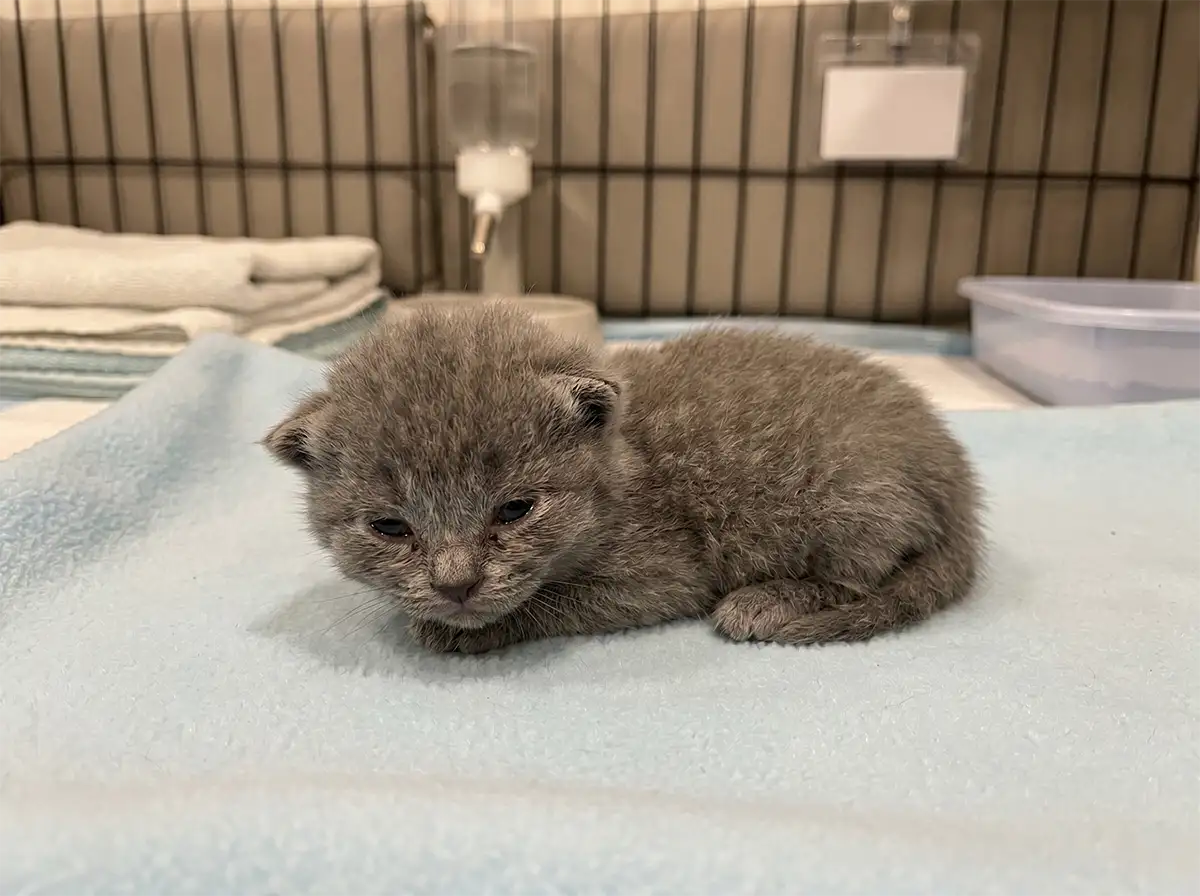
I came to the UK in 2021 to study for a master’s in communication. After graduating, I worked in new media operations. The thought of having a cat of my own grew during that period, but I waited until I had started working and could think seriously about daily care. About a year into that work, I adopted Bella from the RSPCA. I later turned to freelance writing, and Bella returned to China with me in 2026.
The Beginning: A Desire Sparked by an Orange Cat
I first thought about getting a cat while sharing an apartment in London. My roommate had a British Shorthair named Orange Jam, and every evening, the cat would sit quietly on the windowsill, basking in the setting sun.
At the time, I was working in new media operations in London after graduation. I was going through a lot of ups and downs, often staring at a blank document for ages without being able to write a single sentence. Whenever I felt down, I’d sit next to Orange Jam for company.
It would jump onto my lap of its own accord, curl up into a ball, and purr softly and steadily. The warm, solid weight on my lap would slowly ease the tension in my heart. Strangely enough, once my emotions settled, the words would often flow naturally, and I was able to finish the piece I’d been stuck on for so long.
It was in that very moment that a thought popped into my head: I want a kitten of my own.
Repeatedly Put Off: The Practical Concerns That Held Me Back
My wish was simple, but practical concerns piled up layer by layer, and time and again I convinced myself to put it off for the time being.
The first obstacle was housing: our shared apartment was cramped, with many common areas, so there was no way to provide a cat with its own secure, private space. Next was the nature of my work; in my early years, I had to take frequent short-distance business trips and was often away from home for several days at a time.
Time away for work also made me hesitate. I would need a reliable person to visit and care for a cat while I was away; leaving food and water out would not be enough.
In addition, I carefully calculated the long-term expenses: cat food, litter, regular vaccinations, deworming, and unexpected veterinary bills. In London, the costs of daily pet care and medical treatment are quite high, so I needed to ensure a stable income to cover these ongoing expenses over the long term—not just act on a momentary impulse.
As the days went by, I put the idea on hold, though I would occasionally stop and take a few extra glances at the kittens in the pet store windows as I walked by.
Even after I had an income and a home where I could plan for a cat, I still worried about whether I was prepared for a long-term responsibility.
The Hurdle: Preparing to Adopt
I worried about whether my home and work routine would suit a cat. The RSPCA’s adoption guidance (checked 14 October 2026) describes an application, a chance to meet the cat and preparation for the home; a centre may arrange a home visit or discussion. It does not establish that every applicant must pass the same inspection or wait a fixed period. This is current guidance, not a reconstruction of Bella’s application.
After much deliberation, I decided to visit a local shelter first to see the cats in person, rather than rushing to submit an application.
Meeting Bella: Among So Many Kittens, I Chose the Shy One
At the RSPCA, my gaze settled on Bella, a blue British Shorthair who was about six months old.
Bella had been returned once before I adopted her. I do not know why she was returned, and I have no record of a formal temperament rating. Knowing she had lost a home made me want to give her time.
I remember her watching more than approaching. I could not tell what she felt from that first meeting.
In that moment, I felt a strong sense of empathy. When I first came to London to live on my own, I, too, used to hide in my room, avoiding socializing and preferring quiet solitude. I felt we shared the same personality.
I spent time getting to know her before bringing her home. I cannot reconstruct the number of visits or a day-by-day change in her response, but I remember wanting to let her come closer at her own pace.
Preparing for Bella at Home
I thought about a safe space for Bella to settle, including windows, a hiding place, food, water and a litter tray. The details of any home inspection or repairs are not clear enough for me to present them as a required RSPCA procedure.
Bella’s adoption fee was £80. I cannot confirm from her paperwork which vaccinations, tests or procedures were included. The RSPCA’s current page explains what adopters can expect today; Bella’s own records would be needed to establish exactly what she received then.
It’s Finally Settled: I Brought Her Home
I prepared food, water and a quiet place for her to hide. When it was finally time to bring her home, I was nervous.
Bella remained quiet the entire time I was placing her in the carrier. Once we arrived home, she instinctively hid under the sofa to adjust to her new surroundings.
I did not force her out. I placed food and water nearby and gave her space to settle in quietly.
The housing, work and cost questions had not vanished, but I was ready to take responsibility for her.
I brought Bella home.
Summary of Practical Experience with Overseas Rescue Adoption
These are the questions I would ask before adopting a cat; they are not a checklist of rules that every UK rescue uses:
- Don’t decide to adopt based solely on a momentary impulse — Prioritize confirming your housing situation, stable income, and long-term care plan. Postpone adoption during periods of business travel or job instability to avoid re-abandonment.
- Ask the rescue about its own process — Find out how meetings, home preparation and any home discussion work for that cat and centre. Do not assume my £80 fee is today’s price.
- Meet the individual cat — Ask about its history and needs without assuming a quiet first meeting predicts how it will behave at home.
- Build flexibility into your budget — Adoption is only one expense; plan for food, routine care and unexpected vet bills.
Some Common Questions
Q: Does every RSPCA adoption require a home visit?
A: The RSPCA says a centre may arrange a home visit or discussion. Ask the centre handling the cat you hope to adopt what it requires now.
Q: Does one previous return tell you how Bella will bond?
A: Bella had been returned once, but that fact alone did not tell me what she needed or how quickly she would settle. I gave her time and paid attention to her response.
Q: Is freelancing a good fit for cat adoption?
A: I adopted Bella after starting my new-media job, before moving into freelance writing. Either schedule needs a workable daily care plan and a reliable person to visit when you are away; working from home alone does not guarantee a good fit.